.jpg)
东出(Oriental)与西入(Occidental)是古典占星中最混乱的概念之一,因为这两个术语存在多种定义。
罗伯特·佐勒曾直言:
“东出(Oriental)和西入(Occidental)是两个有多种定义、并且造成了诸多混淆的术语。”
这种混乱并非现代才出现——早在中世纪,占星家们就已经在使用不同的标准,而当代传统占星复兴以来,随着不同体系的文献被大量翻译和传播,这一问题变得更加突出。
01
混乱的根源:三种参照物
根据参照物的不同,东出西入可以划分为以下几种情形。
① 针对世界(地球)的东出西入
在世界中的东出西入(Oriental/Occidental in the world)实际上是对阴阳象限的描述。
当行星位于阳性象限时,在世界上是东出的;当行星位于阴性象限时,在世界上是西入的。
托勒密在《四书》中对此有明确论述:
“从上升点到中天,或从下降点到下中天,这些位置被认为是阳性的,因为它们此时是东出的;而在另外两个象限中,则是阴性的,因为它们是西入的。”
From the ascendant to the mid-heaven, or from the angle of the west to the lower heaven, they are considered to be masculine, being then oriental: and in the other two quadrants, feminine, being then occidental.
这套定义与行星相对于太阳的位置无关,而是描述行星在地平以上的方位,相对独立且争议较少。
② 相对太阳的东出西入(不区分内外行星)
《明译天文书》所谓“五星先太阳出者,谓之东出。后太阳而入者,谓之西入。”
五大可见行星都执行同样的规则,内行星(金星、水星)与外行星(火星、木星、土星)并无区别。
月亮不存在东出/西入。
③ 相对太阳的东出西入(区分内外行星)
外行星仍然适用传统规则——当火星、木星、土星的黄道度数在太阳之前直到与太阳对冲时,是东出的;度数在太阳之后直到与太阳对冲时,是西入的。但内行星(金星、水星)的规则正好相反——当度数或星座在太阳之后时,金星、水星东出于太阳。
三套定义可以并存于同一张星盘中,得出截然不同的结论——混乱程度可见一斑。
02
不区分内外行星的版本
这一定义对所有行星(包括水星、金星)使用同一标准——东出即太阳之前升起,西入即太阳之后落下。
托勒密(Ptolemy):
“The influence of each planet is strengthened chiefly when it may be oriental, swift and direct in its proper course and motion… but it loses strength when occidental and slow in motion or retrograde.” — Tetrabiblos I.27
菲尔米库斯·马特尔努斯(Firmicus Maternus):
“Planets are called oriental when they rise before the Sun, occidental when they set after the Sun.” — Mathesis
波纳提(Guido Bonatti):
“A planet is oriental which rises before the Sun, and occidental which sets after the Sun.” — Liber Astronomiae
威廉·莉莉(William Lilly):
“A Planet is Oriental when he riseth before the Sun; Occidental when he setteth after the Sun.” — Christian Astrology, p.104
当代主流传统占星家(如Deb Houlding、Chris Brennan、Benjamin Dykes)沿袭中世纪拉丁文传统,采用“rises before the Sun / sets after the Sun”的标准
托勒密的定义是所有后续版本的基础。
托勒密在《四书》中指出:
“当行星是晨星且位于太阳之前时,为阳性;当行星是昏星且位于太阳之后时,则变为阴性。”
“While they are matutine and preceding the Sun, they are masculine; when vespertine and following the Sun, they become feminine.”
对所有行星一体适用,未因水星与金星轨道靠近太阳而作特殊处理。波纳提与莉莉继承了这一传统。
威廉·莉莉在《基督教占星学》中给出了更为细化的定义:
对于外行星,东出是指它们从与太阳合相到对冲的阶段——”From the conjunction to the opposition, they are oriental”;
对于内行星,东出是指它们所在的度数少于太阳——”When Mercury or Venus have fewer degrees than the Sun, they are oriental; when more degrees, occidental。”
这一定义虽然在表达上区分了内外行星的位置计算方式,但本质上仍然坚持“日出前升起=东出”这一统一标准。
03
区分内外行星的版本
这一定义认为:对内行星而言,东出的定义应与外行星相反。
阿尔·比鲁尼(Al-Biruni):
“The upper planets (Saturn, Jupiter, Mars) are stronger when oriental; the lower planets (Venus, Mercury, the Moon) are stronger when occidental.” — The Book of Instruction in the Elements of the Art of Astrology, §152
亚伯拉罕·伊本·以斯拉(Abraham Ibn Ezra)同意比鲁尼的定义,在其著作中将内外行星的东出西入规则分开处理。
罗伯特·佐勒(Robert Zoller)
“For the inner planets, being occidental of the Sun (i.e. having more degrees of the sign the Sun is in or being in the following sign) is the equivalent of being oriental for the outer planets.” — DMA Course
阿尔·比鲁尼是这套定义的关键来源。他明确将外行星(superior planets)与内行星(inferior planets)分开处理,并指出其原因在于内行星的轨道靠近太阳,其可见性模式与外行星相反。
值得注意的是,即使在“不区分版”的传统中,中世纪注释家也已经注意到了内外行星的差异。
莫克森(Moxon)在《数学词典》中记录:
“三颗外行星(土星、木星、火星)东出且晨出时最为强旺;而三颗内行星(金星、水星、月亮)西入且暮现时最为强旺。其原因在于:前者在第一种情况下,后者在第二种情况下,会下降到其轨道的最低部分,光度增强,并且更接近地球。”
“Now the three superior planets (Saturn, Jupiter, Mars) are strongest, being oriental and matutine; but the three inferior (Venus, Mercury, Moon) when they are occidental and vespertine. The reason is, because the first in the first case, but the last in the second, do then descend to the lowest part of their orbit, are increased in light, and approaching nearer the earth.”
这段话清晰说明了内外行星力量归属的差异,为区分版提供了天文学上的合理性。
04
问题的根源:会合周期的天文学基础
东出与西入的吉凶本质,取决于行星在自身会合周期(synodic cycle)中所处的阶段。所谓会合周期,是指行星从一次与太阳合相到下一次合相之间的时间间隔。
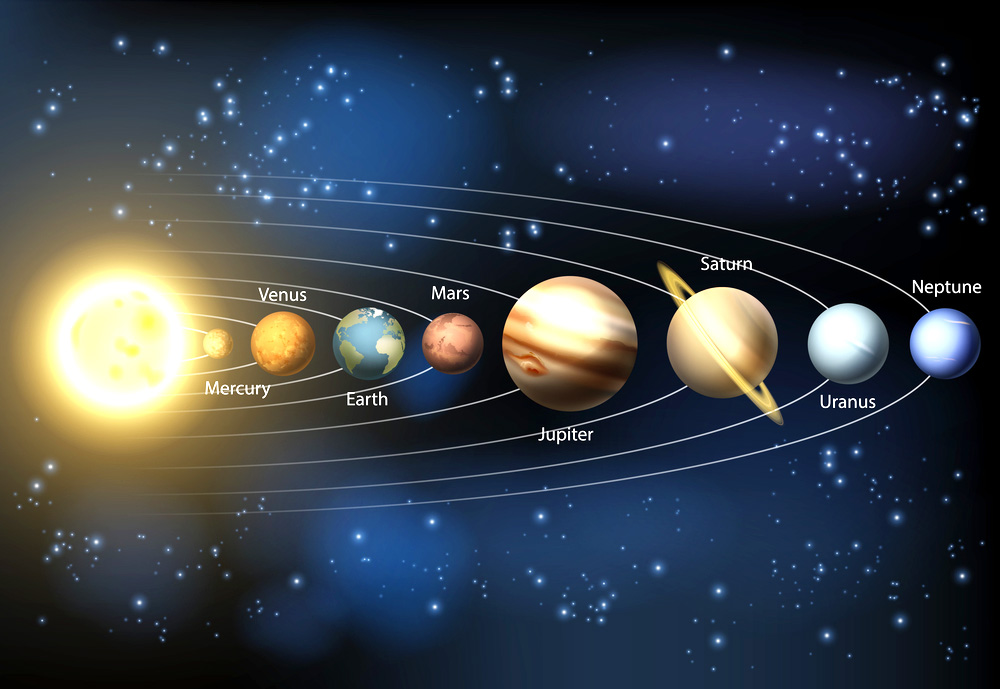
对于外行星(火星、木星、土星),其会合周期较长,位于地球轨道之外。它们的可见性模式是:
从与太阳合相(conjunction,不可见)开始,逐步向西移动,在日出前可见(东出),直至到达西方大距,继续向东移动趋近于对冲(opposition,整夜可见),然后朝向东方的太阳移动,日落后可见(西入),最终再次与太阳合相。
外行星在东出阶段力量最强,因为此时它们正从太阳光束中脱离而出,开启新的可见周期。
对于内行星(水星、金星),情形截然相反。它们位于地球轨道之内,永远不会远离太阳太远(水星最大距角约28°,金星约47°)。
内行星从上合(superior conjunction,在太阳背后,不可见)开始,在太阳东侧出现,日落后西入的傍晚可见(此时在黄道度数上超前于太阳),这属于东大距(greatest eastern elongation)。然后它们开始逆行,趋近下合(inferior conjunction,在地球与太阳之间),日出前东出的晨见(此时在黄道度数上落后于太阳),这属于西大距(greatest western elongation)。
内行星真正积聚力量的时机是在西入时(傍晚的东大距),此时它们从太阳光束中逐渐脱离,黄昏中清晰可见。等到它们东出时(晨见的西大距),反而是在下合前后,运行速度已经减缓,亮度也在衰减。
因此,区分内外行星的核心理由是:
行星从太阳光束中偕日升(heliacal rising)、开启新周期之时的力量勃发,才是“吉”的本质。对于外行星,这一吉兆恰好对应黄道度数位于太阳之前(东出)。对于内行星,这一吉兆恰好对应黄道度数位于太阳之后(西入)。若强行对所有行星施用同一套黄道度数标准,内行星将在真正积聚力量时被错判为凶,在力量衰减时反而被错判为吉。
05
威廉·莉莉的矛盾:实践与定义的妥协
威廉·莉莉在东出西入问题上的立场非常有趣。他在定义层面沿用了不区分内外行星的版本。然而,在他的尊贵赋分表中,他却给予西入的内行星更高的分数——这在逻辑上是不一致的。
威廉·莉莉写道:
“金星和水星在西入时更为强旺;因为内行星西入时,更为趋向东进而有力。”
“Venus and Mercury are stronger when occidental; for the inferior planets being occidental, are more eastward and powerful.”
这段话表明莉莉的实践经验告诉他:西入的内行星在实际解盘中表现得更强。但他选择了在不改变定义的前提下,通过赋分表来修正这一问题。这是一种实用主义的妥协——定义保持统一以维持体系的整洁,赋分则根据经验调整以保证实践的准确性。
正如Skyscript论坛的参与者所指出的:
“莉莉对所有行星都使用‘太阳东出’这一定义,但在他的尊贵表中,他又给金星和水星在西方时额外加分。这是他承认内行星行为方式不同的一种方式,而无需改变自己的定义。”
“Lilly uses the ‘rises before the Sun’ definition for all planets, but then in his table of dignities he gives extra points to Venus and Mercury when they are occidental. This is his way of acknowledging that the inner planets behave differently, without changing his definition.”
有趣的是,若莉莉采用了区分内外行星的定义,他在赋分表中的这一条特殊规则便不再需要——定义本身就已经解决了内行星的力量归属问题。
06
两套传承脉络的并行
不区分内外行星:希腊化传统(托勒密)→ 拉丁西方传统(波纳提、威廉·莉莉)→ 当代主流古典占星
区分内外行星:希腊化传统(托勒密)→ 阿拉伯传统(比鲁尼)→ 伊本·以斯拉 → 罗伯特·佐勒
不区分版是西方拉丁传统的主流,从托勒密经波纳提到威廉·莉莉一脉相承,当代多数传统占星家也在使用这一版本。区分版主要存在于阿拉伯与希伯来占星文献中,经由比鲁尼和伊本·以斯拉传承,罗伯特·佐勒是当代采用此版最具影响力的代表。
两套定义都有古典文献依据。值得注意的是,即使在“不区分版”的阵营内部,占星家们也一直在通过其他方式修正不区分定义带来的矛盾。威廉·莉莉的赋分表修正是一个例子,托勒密本人对内行星力量归属的附加说明则是更早的例子。
此外,还有第三种较少被讨论的定义Phasis,源自亚历山大的保罗斯(Paul of Alexandria):
“当行星在过去7天内刚从太阳光束中显现出来时,称之为东出;当它在未来7天内即将沉入太阳光束时,称之为西入。”
“A planet is said to be oriental when it has emerged from the Sun’s beams within the preceding 7 days; occidental when it is about to sink into the Sun’s beams within the following 7 days.”
这套定义强调行星可见性的具体时间窗口,而非单纯的度数位置或日出日落先后,但在中世纪拉丁传统中影响有限。
07
东出西入与晨星昏星的表现差异
东出与西入的区别,直接影响行星实现征象的效率、方式及时机。
托勒密在《四书》(Tetrabiblos)第三卷中指出:
“如果主宰行星(ruling planet)是晨星(matutine/oriental,即东出),或落在角宫,其影响运作更早且更迅速;但如果是昏星(vespertine/occidental,即西入),或落在续宫,则更晚且更迟缓。”
晨星(Morning Star)是指日出前升起、黎明时分在东方天空可见的行星(“A planet is called a morning star when it rises before the Sun and is visible in the eastern sky at dawn.”)
此类行星被认为更具阳刚与活跃的特质,其所代表的事物倾向于在生命的早期显现。
托勒密对东出(oriental)与西入(occidental)的行星作了详细的体型描述:
- 东出的土星:肤色偏黄(yellowish complexion),体格良好(good constitution),黑色卷发(black curled hair),胸廓宽阔(broad chest),湿冷体质(moist-cold temperament);
- 西入的土星:肤色偏黑/暗(black/dark complexion),身体瘦小(thin/small body),毛发稀疏(scanty hair),干冷体质(dry-cold temperament)。
昏星(Evening Star)是指日落后可见、黄昏时分在西方天空出现的行星(“A planet is called an evening star when it sets after the Sun and is visible in the western sky at dusk.”)
此类行星被认为更具阴柔与被动的特质,其所代表的事物倾向于在生命的后期显现,或伴随一定的延迟。
水星的气质也随东出西入发生变化。
- 东出的水星被认为是sanguine(多血质,热湿)——思维活跃轻快,表达直接外向;
- 西入的水星被认为是melancholic(忧郁质,干冷)——思维深刻内省,表达谨慎含蓄。
- 金星的气质同样受影响:东出的金星为sanguine,热情开放;
- 西入的金星为phlegmatic(黏液质,冷湿),更加保留内敛。
以火星为例:火星东出于第十宫,命主在事业上主动果敢,早年便显现领导才能;同一火星西入于第十宫,则事业发展常带隐秘色彩,倾向于幕后运作,中年后方渐显。
以金星为例:金星东出于第五宫,命主在情爱、艺术领域主动坦率,年少时便展露魅力;金星西入于第五宫,则情爱之事常带隐秘或延迟,良缘往往迟至。
08
月亮:一个特殊的存在
月亮在东出西入问题上是一个特殊的存在。
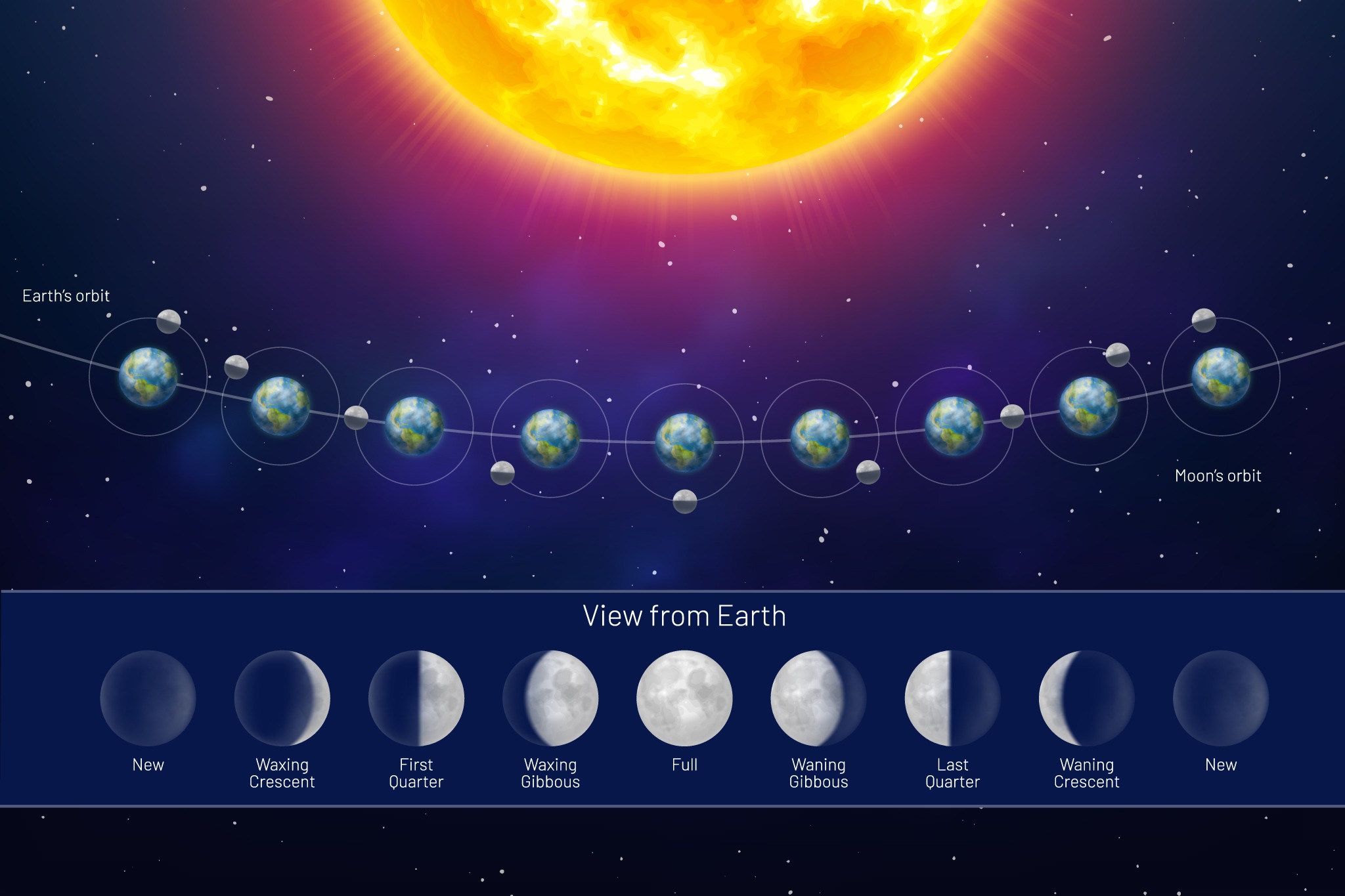
传统上,月亮的东出定义为从朔月到望月(Waxing Moon),此时月亮在日落后升起;西入则为从望月到朔月(Waning Moon)。
换句话说,月亮的东出西入是根据其月相(lunar phase)来判断的,而非根据与太阳的相对位置。增光的月亮被认为更强,减光的月亮被认为较弱。
这是因为月亮的会合周期本质上就是它的月相周期,其力量与可见性直接相关。
09
东出西入与Sect日相关系评估
如采用区分内外行星的版本,则有些朋友存在疑惑,即明明Sect状态评估时,水星东出视为昼星,西入下视为夜星,岂不是与区分内外行星的东出西入规则相悖?
水星是中性行星,Sect状态的本质是行星的昼夜性与星盘昼夜性的各种匹配,水星评估Sect状态,每每需要先对其昼夜性进行判定。主流的方式是观察水星与太阳的位置,如水星先太阳升起则为昼星,后太阳落入则也夜星。
黛梅特拉·乔治(Demetra George)写道:
在某些星盘中,水星属于日间派;而在另一些星盘中,它则归属夜间派。当水星在早晨先于太阳升起时,它属于日间派;但若水星在太阳之后升起,因而在傍晚被看见时,则属于夜间派。
In some charts it belongs to the diurnal sect and in other charts it aligns with the nocturnal sect. Mercury rising before the Sun in the morning belongs to the diurnal sect; but when Mercury rises after the Sun and is thus seen in the evening, it belongs to the nocturnal sect.
我们可以看到,占星家在处理水星的问题上,并没有通过水星的东出西入来判断属于昼星还是夜星,进而应该划分到日间派还是夜间派,而是直接通过水星与太阳的位置关系,先太阳升起为昼星,后太阳升起为夜星。
行星相对于太阳的位置事实上并无疑惑,东出西入之所以产生疑惑,是到底行星先太阳升起是东出还是西入,行星后太阳升起是东出还是西入,此处众说纷纭。既然Sect评估中并没有提及东出西入,而是直接通过行星与太阳的位置关系判定行星Sect喜乐与否,这就避免了东出西入在此产生的争议。
因此,评估行星Sect状态时,建议仍然按照黛梅特拉·乔治所示范的方法处理。
10
实务建议
笔者认为,在吉凶效力的判断上,区分内外行星的版本是古典占星学内部更为自洽的选择。
其原因在于:东出与西入的吉凶本质取决于行星在自身会合周期中所处的阶段,而非黄道度数上的前后位置。由于内外行星的会合周期结构相反,对它们施用同一套定义必然导致逻辑上的不一致。
莉莉虽然在赋分表中修正了这一不一致,但他的修正恰恰证明了区分版在逻辑上的必要性——如果定义本身就能解决问题,又何必需要赋分表来修正?此外,从教学角度来看,区分版帮助学生从会合周期的根本原理去理解东出西入,而不是仅仅记住表面规则。
当然,这不意味着不区分版的实践效果就一定是错的。关键在于,无论选择哪套定义,都要在其框架内保持前后一致,并在教学和解盘中明确标注自己所使用的定义。
鉴于东出西入存在多套定义且短期内难以统一,笔者建议:
选择一套定义,在其框架内保持前后一致。 无论采用区分版还是不区分版,一致性远比“正确”重要。混用两套定义是产生混乱的最大根源。
在教学和解盘中明确标注自己使用的是哪一套定义。 清楚地说明 “我遵循莉莉/波纳提(Lilly/Bonatti)的定义,该定义不区分内行星和外行星” 或 “我遵循阿尔-比鲁尼/佐勒(Al-Biruni/Zoller)的定义,该定义区分内行星和外行星”。
理解会合周期的根本原理,而不是机械地记住规则。 正如罗伯特·佐勒所说,理解背后的原理比记忆规则更重要。
认识到东出西入是一个调节性指标,而非决定性指标。 一颗火星入庙于白羊座第十宫,无论东出还是西入,都代表一位强势的领导者;区别仅在于表达方式的内外向与时间的早晚。
笔者个人倾向于采用区分内外行星的版本——它更符合会合周期的天文学逻辑,在体系内部更为自洽。但这仅仅是个人选择。
占星是一门实践性的技艺,最终的检验标准是解盘的准确性。
参考文献
- Ptolemy, Claudius. Tetrabiblos. Trans. F.E. Robbins. Cambridge, MA: Harvard University Press (Loeb Classical Library), 1940. — Book I, Chapter VI (Masculine and Feminine); Book I, Chapter XXVII (Planetary Strength); Book III, Chapter IV (Timing of Events); Book III, Chapter XVI (Form and Temperament of the Body); Book IV, Chapter VIII (Travelling).
- Firmicus Maternus, Julius. Mathesis. Trans. Benjamin N. Dykes. Minneapolis, MN: Cazimi Press, forthcoming.
- Bonatti, Guido. Liber Astronomiae (Book of Astronomy). Trans. Benjamin N. Dykes. Golden Valley, MN: Cazimi Press, 2007. — Basel 1550 edition, cols. 763-772.
- Lilly, William. Christian Astrology. London, 1647. Reprint, Abingdon, MD: Astrology Center of America, 2004. — Definition of Oriental/Occidental, p.104: “A Planet is Oriental when he riseth before the Sun; Occidental when he setteth after the Sun.”
- Al-Biruni, Abu al-Rayhan Muhammad ibn Ahmad. The Book of Instruction in the Elements of the Art of Astrology. Trans. R. Ramsay Wright. London: Luzac & Co., 1934. — §152: Distinction between superior and inferior planets regarding orientality/occidentality.
- Ibn Ezra, Abraham. The Beginning of Wisdom. Trans. Meira Epstein. Ed. Robert Hand. Arhat Publications, 1998.
- Paul of Alexandria. Introductory Matters. 4th century CE. Trans. in Late Classical Astrology by Robert Schmidt. Cumberland, MD: The Golden Hind Press, 1993. — Phasis-based definition of oriental/occidental.
- Dykes, Benjamin N., trans. Bonatti’s Book of Astronomy. Minneapolis, MN: Cazimi Press, 2007.
- Dykes, Benjamin N., trans. Works of Sahl & Masha’allah. Golden Valley, MN: Cazimi Press, 2008.
- Zoller, Robert. Diploma Course in Medieval Astrology. New Library Ltd., 2002.
- Zoller, Robert. Tools & Techniques of the Medieval Astrologer.
- Hand, Robert. Night and Day: Planetary Sect in Astrology. Arhat Publications, 1995.
- Schmidt, Robert, trans. Definitions and Foundations (by Antiochus of Athens). Cumberland, MD: The Golden Hind Press, 2009.
- Skyscript Astrology Forum. “Occidentality/Orientality to the Sun in Classical Astrology.” Thread by Oksana Romanova, 2006-2007. https://www.skyscript.co.uk/forums/viewtopic.php?t=2101
- Skyscript Glossary. “Oriental / Occidental.” https://www.skyscript.co.uk/glossary.html
- Spucchi, Jove. “Synodic Cycles & Planetary Phases.” https://www.spucchi.com/wiki/astrology/synodic-cycles-planetary-phases/ — Including: heliacal rising, heliacal setting, phasis, synodic cycle, eastern/western elongation, morning star/evening star, cazimi, combustion.
- Astrology Weekly Forum. “Determining Orientality or Occidentality.” 2013. https://astrologyweekly.com/threads/determining-orientality-or-occidentality.55722/
- Moxon, Joseph. Mathematical Dictionary. 17th century. Marginal note cited in Ptolemy’s Tetrabiblos: “Now the three superior planets (Saturn, Jupiter, Mars) are strongest, being oriental and matutine; but the three inferior (Venus, Mercury, Moon) when they are occidental and vespertine.”